Airline Catering Packaging Trends: Efficiency, Heating and Traceability
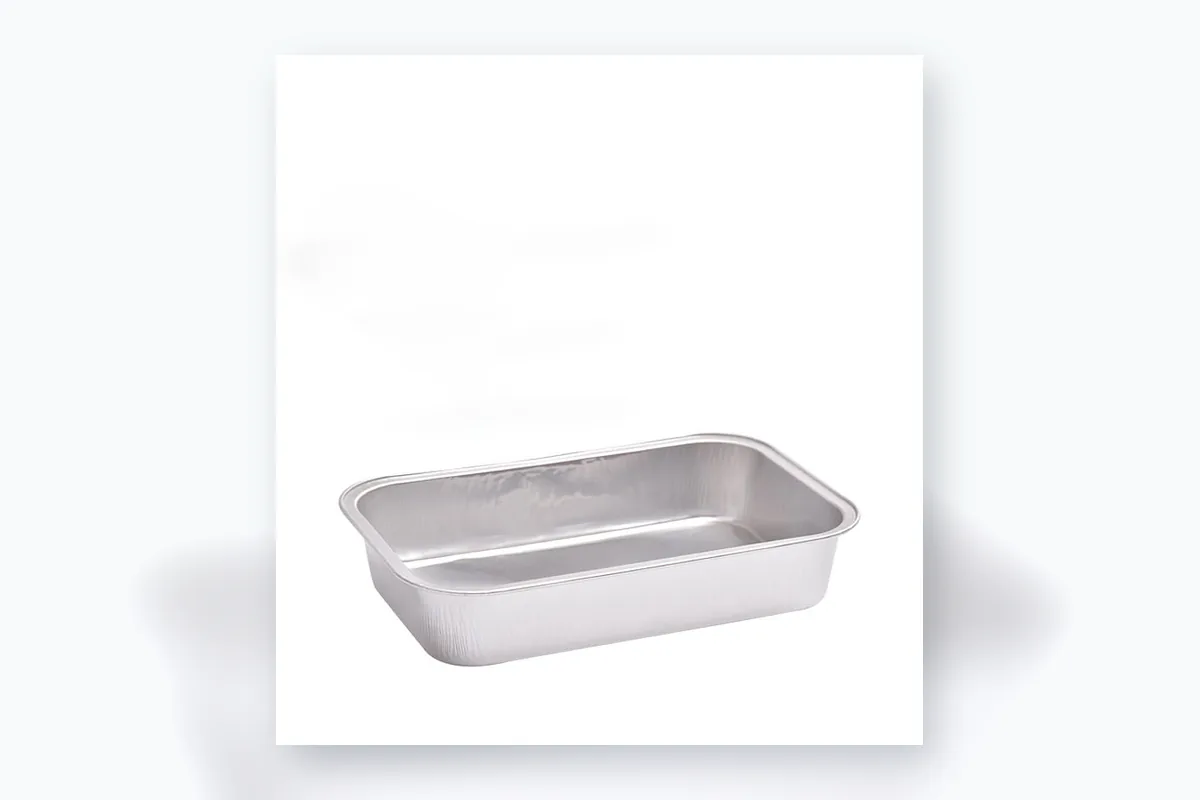
Airline catering packaging sits at the intersection of food safety, cabin logistics, and cost control. As carriers rebuild networks and rationalize galley operations, the humble meal tray has become a focal point for measurable efficiency gains. Caterers and airline procurement teams are re-evaluating aluminum foil trays and lidding systems against three priorities that now define competitive supply: throughput efficiency on the packing line, reliable heating performance in galley ovens, and end-to-end traceability from raw coil to the cabin. This article examines the trends shaping specification decisions and what B2B buyers should verify before committing to a supplier.
The Shift Toward Efficiency in Airline Catering Packaging
Inflight catering is a high-volume, tightly scheduled operation. A single flight kitchen may assemble tens of thousands of meals per day, so packaging that shaves seconds from each handling step compounds into significant labor savings. Aluminum foil trays remain a workhorse format because they tolerate blast chilling, freezing, and forced-air reheating without material substitution, simplifying the cold chain. The International Air Transport Association highlights galley and catering efficiency as a lever for both cost and sustainability performance, which keeps pressure on packaging formats that reduce weight and waste while maintaining service quality.
Efficiency, however, is not only about the material. It depends on how consistently a tray performs across automated depanning, filling, sealing, and galley loading. Dimensional stability and predictable stacking behavior are what allow a caterer to run equipment at rated speed rather than pausing for jams or manual correction. Buyers increasingly ask suppliers to demonstrate process capability, not just a spec sheet.
Tray Dimensions, Rim Consistency, and Nesting
Galley furniture, meal carts, and sealing tooling are all built around standardized footprints, so tray dimensions must hold tight tolerances. A tray that drifts a millimeter in length or width can bind in an atlas cart or misregister under a sealing die. Rim geometry is equally critical: the flange width, curl, and flatness determine whether a heat-seal film or foil lid forms a continuous, leak-free bond around the full perimeter.
Nesting performance affects storage, freight, and denesting on the line. Trays that nest to a consistent pitch allow accurate stack counts, predictable pallet cube, and clean single-piece pickup by automated denesters. When nesting is inconsistent, stacks lock together or separate unpredictably, forcing operators to intervene. When evaluating a supplier's airline foil trays, procurement teams should confirm the following characteristics:
- Length, width, and depth tolerances stated with a defined measurement method and acceptance range.
- Rim flatness and flange width consistency suitable for the intended seal type.
- Nesting pitch and denest reliability validated on representative equipment.
- Alloy, temper, and wall thickness appropriate for the meal weight and reheating profile.
- Compartment configuration matched to the menu and portioning plan.
Oven Compatibility and Reheating Performance
Reheating in the cabin is where packaging is most visible to passengers and crew. Convection and combi ovens are standard in widebody galleys, and aluminum conducts heat efficiently and evenly, supporting consistent reheating without hot or cold spots. Because foil is oven-safe within the temperature ranges typical of galley equipment, it avoids the migration and deformation risks associated with some polymer trays at elevated temperatures. Any lidding film, by contrast, must be specified as oven-compatible or designed to be removed before heating, and this instruction must be unambiguous for crew.
Buyers should confirm the reheating envelope with their supplier and their galley equipment provider rather than assuming compatibility. Food-contact suitability of the tray and any coating should be documented against recognized food-safety frameworks, such as the U.S. Food and Drug Administration's food-contact substance requirements, so that materials are appropriate for repeated thermal cycling. Reviewing the full product range helps match alloy and gauge to a specific reheating protocol.
Seal and Lid Validation
A leaking tray creates hygiene risks, cart contamination, and passenger complaints, so seal integrity is a validated attribute rather than an assumed one. Heat-seal lidding depends on the correct combination of film chemistry, seal temperature, dwell time, and pressure, all matched to the tray's rim. Foil crimp lids depend on rim curl and board or foil stiffness. In both cases, the pairing of tray and lid should be qualified together.
Validation typically covers seal strength, leak resistance, and behavior through the intended temperature range, from chilled storage to reheating. Aligning packaging validation with a facility's HACCP-based food safety plan keeps documentation defensible during audits. Practical validation checks include:
- Seal strength and peel or burst testing across the production tolerance band.
- Leak testing after chilling and after a representative reheating cycle.
- Compatibility confirmation between specific tray, film, and sealing tooling.
- Clear labeling of whether the lid is removed before heating or is oven-safe.
Suppliers offering integrated packaging solutions can qualify tray and lid combinations as a system, which reduces the risk of mismatched components reaching the line.
Traceability from Coil to Cabin
Traceability has moved from a nice-to-have to a procurement requirement. In the event of a quality issue, a caterer must be able to isolate affected product quickly, and that depends on records that link finished trays back to production lots and raw aluminum coils. Lot coding, batch records, and retained samples allow rapid, targeted recall rather than broad, costly withdrawals. This capability also supports the audit expectations embedded in HACCP and in customer supplier-quality programs.
Modern traceability increasingly extends to documentation of material provenance, coating certificates, and inspection data attached to each shipment. Buyers should ask how a supplier records lot genealogy, how long records are retained, and how quickly the supplier can respond to a trace request. For airlines and caterers pursuing custom formats, an OEM and ODM partner should be able to embed these controls into bespoke tooling and packaging programs from the outset.
Procurement Considerations
Bringing these trends together, the table below summarizes what to specify and verify when sourcing airline catering foil trays and lidding systems.
| Requirement | What to Specify | How to Verify |
|---|---|---|
| Tray dimensions | Length, width, depth and tolerance range | Measurement report with defined method |
| Rim consistency | Flange width, curl, flatness for seal type | Sample inspection and seal trial |
| Nesting | Nest pitch and denest reliability | Line trial on target equipment |
| Oven compatibility | Reheating temperature envelope | Supplier and galley equipment confirmation |
| Seal and lid | Film or lid qualified with tray | Seal strength and leak testing |
| Traceability | Lot coding and record retention | Documented trace and recall drill |
| Food-contact safety | Compliance with recognized frameworks | Material and coating certificates |
Treating packaging as a validated system rather than a commodity purchase reduces line stoppages, protects food safety, and shortens the response time when issues arise. To discuss specifications, samples, or a qualification plan for a specific menu and galley configuration, reach the team through the contact page.
Authoritative references
Frequently Asked Questions
Why are aluminum foil trays common in airline catering?
Aluminum foil trays tolerate blast chilling, freezing, and forced-air reheating without changing materials, which simplifies the cold chain. They conduct heat evenly for consistent reheating and hold their shape through handling, making them well suited to high-volume flight kitchens and standardized galley equipment.
How is seal integrity validated for meal trays?
Seal integrity is qualified by testing the specific tray, lidding film or foil lid, and sealing tooling together. Typical checks include seal strength and peel or burst testing, plus leak testing after chilling and after a representative reheating cycle, with results aligned to the facility's HACCP-based food safety plan.
What should buyers ask about traceability?
Buyers should confirm how a supplier links finished trays to production lots and source coils, how lot coding is applied, how long batch records and retained samples are kept, and how quickly the supplier can execute a targeted trace or recall if a quality issue is identified.
Looking for aluminum foil containers?
We supply food-grade aluminum foil containers for airlines, restaurants and food processors worldwide. Get a free quote today.
Get Free Quote → Browse Products