Foodservice Packaging Trends Shaping Aluminum Foil Demand
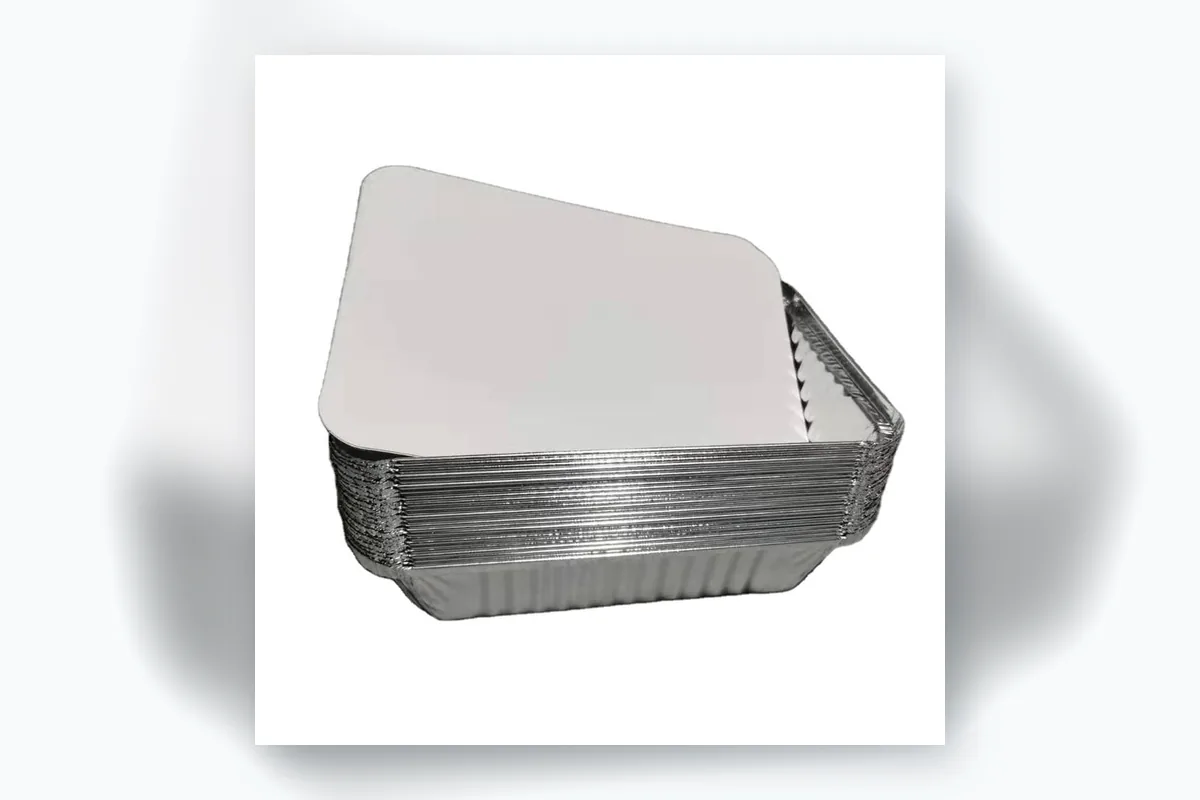
Foodservice packaging has moved from an afterthought to a strategic decision that touches food quality, brand perception, labor efficiency, and sustainability commitments. As takeout, delivery, and drive-thru cement their place in the way people eat, operators are re-examining the containers that carry their food from kitchen to customer. Several converging trends are reshaping that decision, and many of them point toward a familiar, versatile material: aluminum foil. This article looks at the forces driving demand for aluminum foil containers and what they mean for restaurants, caterers, ghost kitchens, and packers.
Why foodservice packaging is evolving so quickly
The clearest driver is the durability of off-premises dining. According to the National Restaurant Association's Off-Premises Restaurant Trends research, takeout, drive-thru, and delivery now account for the majority of restaurant traffic, and younger consumers increasingly treat ordering to-go as an everyday habit rather than an occasional convenience. When food travels, packaging has to do more work: it must protect temperature and texture, survive handling, and still present well when the lid comes off.
At the same time, the packaging industry itself is navigating cost pressure, regulatory change, and consumer scrutiny. The Foodservice Packaging Institute's analysis of the market, summarized in its 2025 Trends Report overview, points to challenges, confusion, consolidation, and cost as defining themes. For buyers, that translates into a search for packaging that is proven, adaptable, and easy to justify on both performance and environmental grounds.
Cost discipline runs through every one of these themes. With operators watching margins closely, the winning packaging is rarely the cheapest unit alone—it is the format that reduces waste, remixes across menu items, and avoids remakes caused by leaks or cold food on arrival. That total-cost lens is one reason established, multi-use materials continue to earn shelf space in the back of house.
Five trends shaping aluminum foil demand
1. Off-premises dining is now the default
As more revenue shifts to food that leaves the building, operators need containers engineered for transport. Aluminum foil containers hold their shape under weight, resist punctures, and maintain a barrier against grease and moisture. For hot entrees, casseroles, and rice or noodle dishes that need to arrive intact, foil formats give kitchens a dependable option that scales with order volume.
2. Rising expectations around recovery and recyclability
Sustainability is now a purchasing criterion, not a talking point. Extended producer responsibility (EPR) laws and growing recovery infrastructure are pushing operators to think about what happens to packaging after the meal. The Foodservice Packaging Institute's environmental efforts and resources such as the Foodservice Packaging Recovery toolkit help operators understand what is accepted in their markets. Aluminum is one of the most recycled materials in use today, as the Aluminum Association notes—but only clean, food-free foil that is accepted by a local recycling program should be placed in the bin. Aluminum foil is not biodegradable or compostable, so responsible messaging matters.
3. Food safety and operational performance
Foil's thermal conductivity makes it well suited to kitchens that cook, hold, chill, and reheat. Because aluminum containers can move from oven to freezer within their rated limits, they simplify prep-ahead and batch-cooking workflows for caterers and commissaries. Tight-sealing lids help contain spills during delivery and support tamper-evident handoffs, an increasingly important expectation for third-party couriers.
4. Menu diversity and premium presentation
Global cuisines, family meal bundles, and meal-prep subscriptions all demand a range of portion sizes and compartments. Foil containers come in enough shapes and depths to match everything from single sides to shareable trays, and their clean metallic finish reads as quality. For brands trading up on presentation, packaging that looks considered reinforces the value of the meal inside.
5. Labor efficiency and speed of service
Labor remains a constraint across foodservice. Packaging that nests for storage, stacks for assembly, and seals quickly reduces friction on the line. Standardized foil formats streamline inventory and portioning, letting staff focus on throughput during peak periods rather than wrestling with fussy packaging.
How the trends map to packaging decisions
| Trend | What it means for operators | Implication for aluminum foil packaging |
|---|---|---|
| Off-premises growth | More meals travel farther before they are eaten | Rigid, leak-resistant containers that protect heat and texture |
| Sustainability and EPR | Buyers weigh end-of-life and local acceptance | A widely recycled material, when clean and locally accepted |
| Food safety and prep-ahead | Oven, freezer, and reheat cycles in one workflow | Heat-conductive formats rated for cook-chill-reheat use |
| Menu diversity | Multiple portion sizes and premium presentation | Round, rectangular, and lidded options across depths |
| Labor efficiency | Faster assembly and simpler inventory | Nestable, stackable, quick-sealing containers |
Matching foil formats to your service model
The right container depends on the menu and how food is handed off. A few practical starting points:
- Bowls and curries: round foil containers suit soups, rice bowls, and saucy dishes that benefit from even heat distribution.
- Entrees and family meals: rectangular foil containers maximize usable space for mains, sides, and shareable trays.
- Delivery and grab-and-go: foil containers with lids help contain spills, retain heat, and support tamper-evident handoffs.
- Range planning: browse the full aluminum foil products lineup to standardize sizes across your menu.
Ghost kitchens and high-volume caterers feel these trade-offs most acutely. When a single site fulfills orders for several virtual brands, packaging has to be flexible enough to plate diverse menus while remaining simple to stock and assemble. Standardizing on a compact set of foil formats—rather than a long tail of one-off containers—keeps purchasing lean and training fast, without sacrificing the presentation each brand needs.
Making sustainability claims responsibly
Because sustainability language is under increasing scrutiny, accuracy protects your brand. Describe aluminum foil as recyclable only where it is clean, free of food residue, and accepted by the local program—recovery access varies by community. Avoid calling foil biodegradable or compostable, because it is neither. Pointing customers toward local recycling guidance, and choosing formats that are easy to empty and rinse, gives your recyclability message credibility.
Frequently asked questions
Is aluminum foil packaging recyclable?
Aluminum is highly recyclable, but only clean foil and containers that are free of food residue and accepted by your local recycling program should be recycled. Acceptance and access vary by location, so check local guidelines before advising customers.
Can aluminum foil containers go from freezer to oven?
Aluminum's heat conductivity makes it well suited to cook-chill-reheat workflows, and many foil containers are designed to move between freezer and conventional oven within their rated temperature limits. Always follow the container and appliance manufacturers' instructions. Treat standard foil trays as unsuitable for microwave use unless the complete container system and appliance instructions explicitly permit it.
Which foil container should I choose for delivery?
For delivery, prioritize rigid containers with secure, well-fitting lids to limit spills and retain heat. Match the shape to the dish—round for bowls and saucy items, rectangular for entrees and shareable portions—and standardize a few sizes to simplify assembly during rush periods.
Foodservice packaging trends are converging on containers that travel well, perform across temperatures, and stand up to sustainability scrutiny—criteria that continue to sustain demand for aluminum foil. To align formats with your menu and service model, contact our team to discuss the right specifications for your operation.
Looking for aluminum foil containers?
We supply food-grade aluminum foil containers for airlines, restaurants and food processors worldwide. Get a free quote today.
Get Free Quote → Browse Products