Aluminum Foil Baking Cup Guide: Sizes, Grease and Heat
Aluminum Foil Baking Cup Guide: Sizes, Grease and Heat
Choosing the right aluminum foil baking cup can make or break your bakery production. Whether you're portioning muffin batter, freezing quiches, or baking individual cheesecakes, the cup's size, grease resistance, and heat tolerance determine product quality and production efficiency. At our factory, we've supplied over 800 million foil containers to bakeries, airlines, and food manufacturers worldwide. Here’s what we’ve learned about getting the details right.
Standard Sizes and Capacities for Commercial Baking
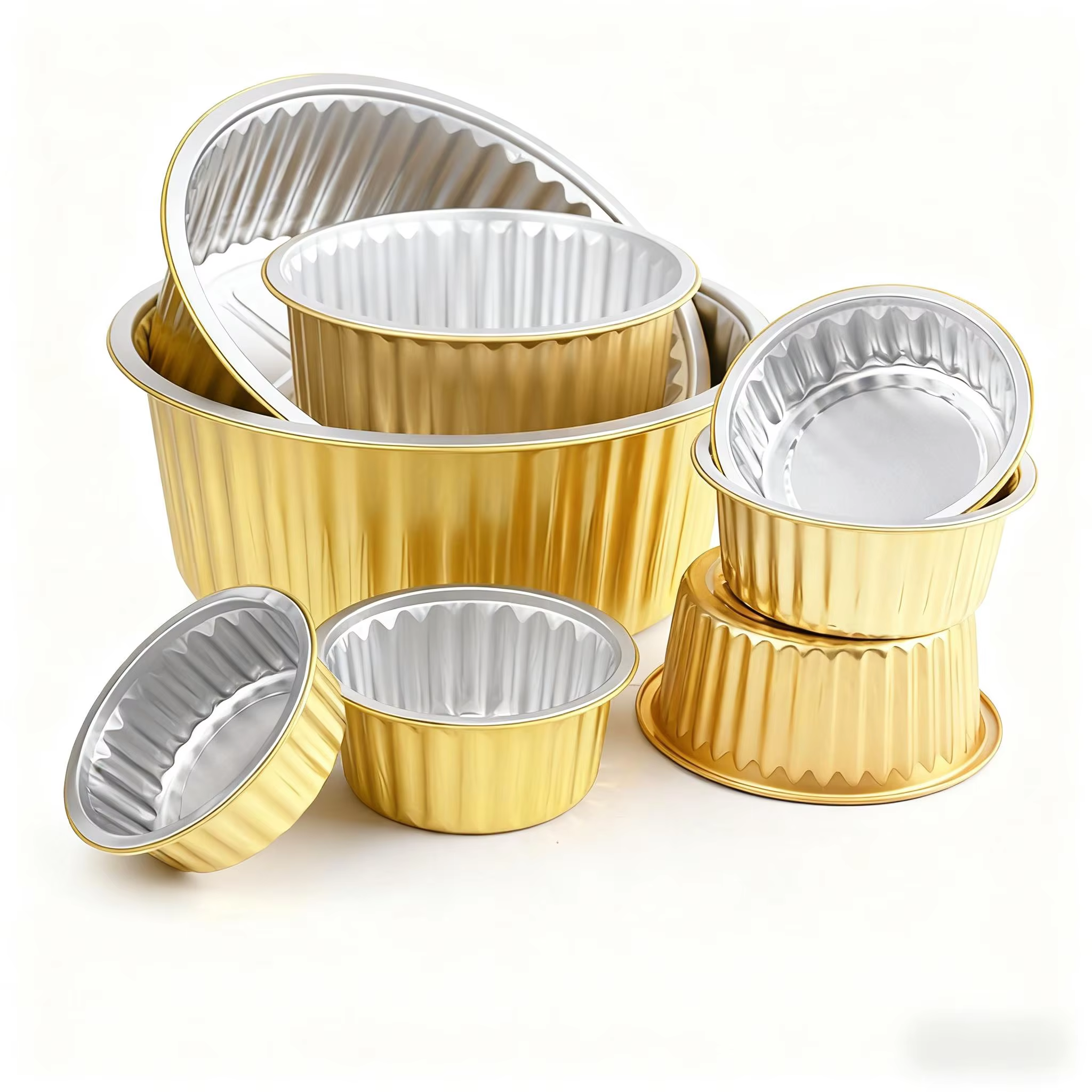
Aluminum foil baking cups come in a range of standard diameters and depths. The most common sizes are 50mm (2"), 60mm (2.4"), 70mm (2.8"), and 80mm (3.1") diameters. Depths vary from 20mm to 40mm, affecting volume. For example, a 70mm x 30mm cup holds about 90ml of batter, while a 70mm x 40mm cup holds 120ml. For mini muffins, 50mm x 20mm cups (30ml) are typical. For large muffins or jumbo bakery items, 80mm x 35mm cups (150ml) are standard. We also produce custom sizes—our tooling allows diameters from 40mm to 120mm and depths up to 50mm, with MOQ starting at 50,000 pieces.
Why Size Consistency Matters
In high-volume baking, even a 2mm variance in cup diameter can cause uneven baking or packaging fit issues. Our production lines hold tolerances within ±0.5mm, ensuring each cup nests properly and fills consistently. We recommend specifying cup dimensions with a tolerance range when ordering custom molds.
Grease Resistance: Preventing Leaks and Sticking
One common misconception is that all aluminum foil cups are naturally non-stick. They are not. Without a coating or release agent, batter can stick and baked goods may tear when removed. For greasy items like butter-rich pastries or oil-based cakes, the cup must resist grease migration through the foil. Standard 8011 alloy at 40-60 micron thickness provides good grease barrier for most applications, but for high-fat batters (e.g., 30% butter content), we recommend a silicone-coated interior. This coating adds about $0.002 per cup at 50k MOQ but eliminates sticking and reduces waste.
Testing Grease Resistance
We test grease resistance by filling cups with heated vegetable oil (180°C) and holding for 30 minutes. No oil should seep through. For your own QA, try a simple test: bake a high-fat muffin at 200°C, then cool and invert. If the muffin sticks or leaves residue, upgrade to coated cups.
Heat Tolerance: From Freezer to Oven
Aluminum foil baking cups handle temperatures from -40°C to 260°C (500°F) in conventional ovens and up to 220°C in convection ovens. That covers everything from frozen dough to hot fill. However, direct contact with heating elements or open flames can cause melting—keep cups away from broilers. Our cups are made from food-grade alloy 8011 or 3003, with thickness ranging from 30 to 80 microns. Thicker foil (60-80 microns) is better for high-heat applications like baking at 230°C for 30+ minutes, as it resists warping. Thinner foil (30-40 microns) works for short bakes or cold use.
Thermal Conductivity Advantage
Aluminum conducts heat 4x faster than steel and 10x faster than glass, so baking times may need adjustment. We often advise customers to reduce oven temperature by 10-15°C or shorten bake time by 5-10% when switching from paper to foil cups. This prevents over-browning.
Coated vs. Uncoated Foil: Which to Choose?
| Feature | Uncoated (plain foil) | Silicone-coated |
|---|---|---|
| Grease resistance | Moderate (up to 20% fat) | High (up to 40% fat) |
| Non-stick | Low | Excellent |
| Max temperature | 260°C | 260°C |
| Cost (per 1000 pcs at 50k MOQ) | $8-12 | $14-18 |
| Best for | Dry baked goods, cold fill | High-fat batters, sticky fillings |
For most bakery operations, uncoated cups are sufficient for low-fat items like bread rolls or muffins with less than 15% fat. But if you're baking brownies, pound cakes, or quiches with cheese, coated cups save labor and reduce product damage.
Custom Printing and Branding Options
Printed aluminum baking cups are a powerful marketing tool. We offer custom printing using food-grade inks that withstand oven heat up to 200°C without fading. Common designs include bakery logos, holiday patterns, and product labels. Printing adds 3-5 weeks to lead time and costs $0.003-0.008 per cup depending on colors and quantity. We also provide embossing (debossed logos) without ink, which is cheaper and still looks premium.
Minimum Order Quantities for Custom Cups
Standard sizes (50-80mm): MOQ 50,000 pcs per design
Custom sizes (new mold): MOQ 100,000 pcs
Custom printing: MOQ 100,000 pcs per design
Free samples available for qualified buyers (lead time 5-7 days)
Common Mistakes in Foil Baking Cup Selection
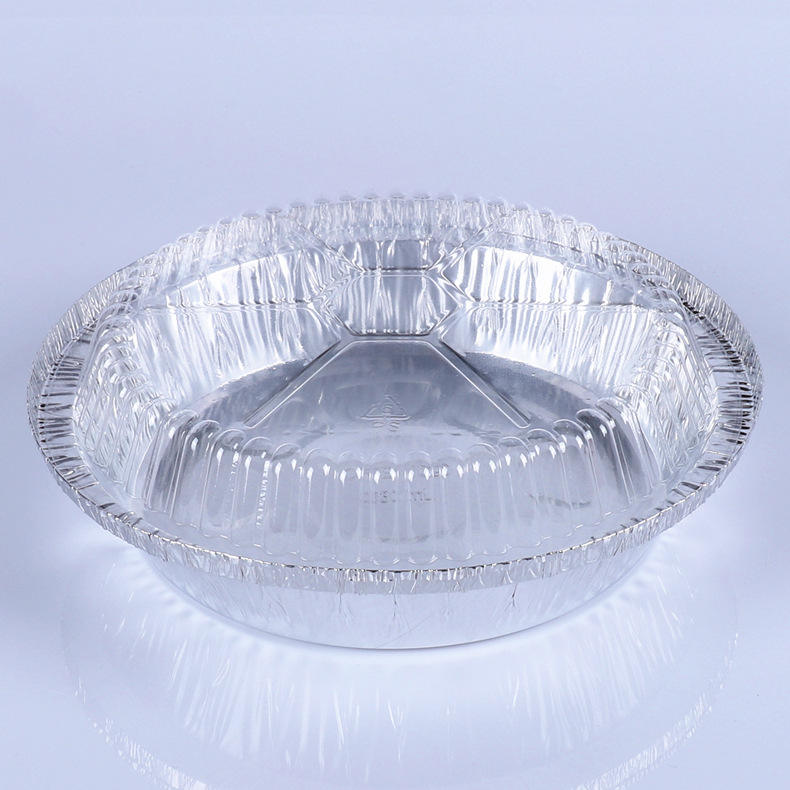
One mistake buyers make is assuming thicker foil always means better quality. For short bakes (under 15 minutes), 30-micron foil is fine and cheaper. But for long bakes or freezing, 50 microns or more prevents tearing. Another mistake is ignoring flange width. A narrow flange (under 5mm) can cause cups to collapse in automated filling lines. We recommend flanges of 8-10mm for machine compatibility. Finally, don't forget lids. If you plan to sell baked goods in containers, matching foil or plastic lids (PET or PP) are available. Our lid range includes clear PET domes for visibility and flat aluminum foil lids for sealing.
Frequently Asked Questions
Can aluminum foil baking cups be used in microwaves?
Yes, but with caution. Aluminum foil should not touch the microwave walls or be crumpled, as sparks may occur. For microwave use, place a single cup in the center and avoid metal turntables. Most commercial bakeries avoid microwaves for foil containers, but home users can use them for reheating short periods.
Are your foil baking cups recyclable?
Yes, aluminum foil is 100% recyclable. Our cups are made from 8011 alloy, which is widely accepted in recycling streams. Clean cups (free of food residue) can be recycled with other aluminum. We also offer post-consumer recycled content options upon request.
What certifications do your baking cups have?
Our cups comply with FDA 21 CFR 176.170 for food contact, as well as EU regulations. We hold ISO 9001, ISO 14001, and ISO 50001 certifications. Each production batch is tested for heavy metals and migration limits.
Looking for aluminum foil containers?
We supply food-grade aluminum foil containers for airlines, restaurants and food processors worldwide. Get a free quote today.
Get Free Quote → Browse Products